Introduction: Why Backup Power Matters in Modern Robotics
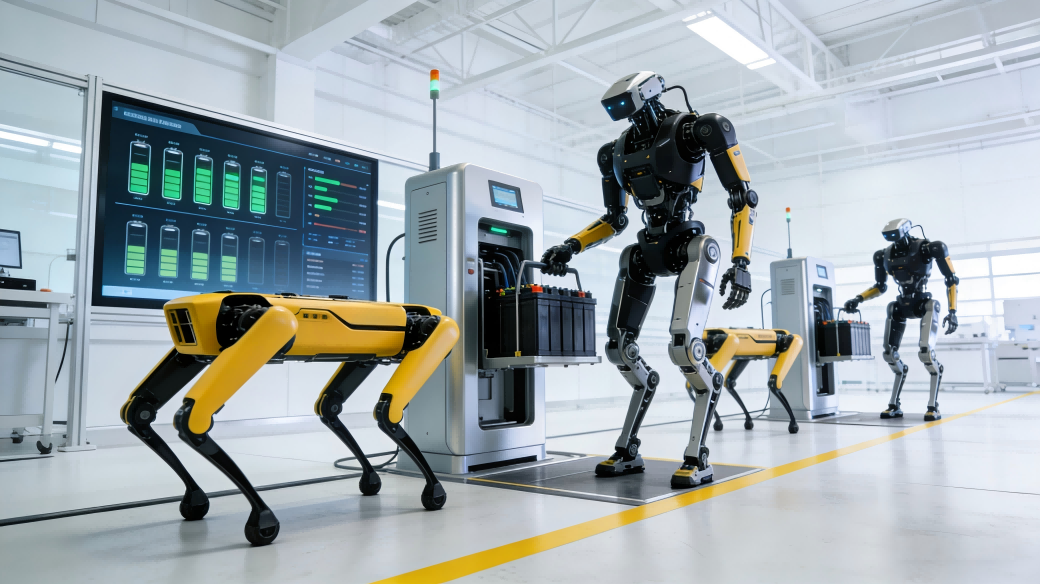
As robots become increasingly autonomous and deeply integrated into industrial production, logistics, healthcare, and service environments, power reliability has evolved from a convenience into a mission-critical requirement.
A momentary power interruption that might seem insignificant in traditional equipment can have serious consequences for robots—loss of positional data, abrupt motion stops, damaged payloads, corrupted control logic, or even safety hazards to nearby personnel.
To address this challenge, many robotic systems rely on a specialized power-protection component known as the BBU (Backup Battery Unit). While often overlooked, the BBU plays a vital role in ensuring continuity, safety, and data integrity in robotic operations.
1. What Is a Robot BBU (Backup Battery Unit)?
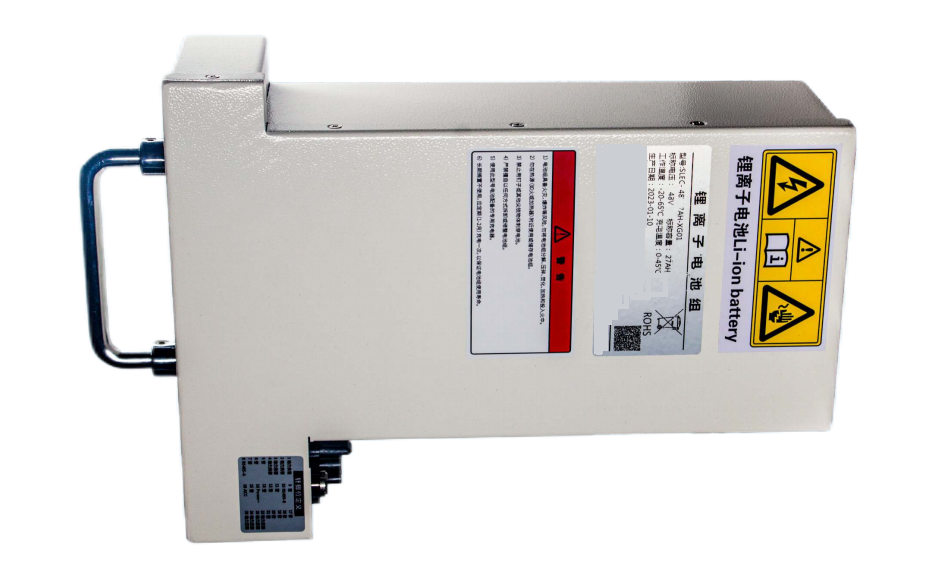
A BBU (Backup Battery Unit) is a dedicated onboard or system-level energy storage module designed to provide temporary backup power to critical robotic subsystems during power interruptions, voltage drops, or controlled shutdown events.
Unlike primary propulsion batteries or facility-level backup systems, a robot BBU is purpose-built to support:
Control electronics
Motion controllers
Encoders and position memory
Safety circuits
Communication modules
Its primary function is not to keep the robot fully operational, but to ensure stability, data retention, and safe behavior when external or main power is lost.
Key Characteristics of a Robot BBU
A typical robotic BBU features:
Compact form factor
Fast response time (milliseconds)
High reliability and long cycle life
Integration with robot controllers or drives
Optimized for low-to-moderate power loads
Most BBUs use lithium-ion, lithium iron phosphate (LiFePO₄), or industrial-grade supercapacitors, depending on the application and required backup duration.
2. Why Robots Need a BBU: Core Advantages
2.1 Data and Position Retention
Robots rely heavily on absolute and incremental encoders, which store critical positional data. A sudden power loss without backup can cause:
Loss of position reference
Forced re-homing
Production downtime
A BBU ensures that encoder memory and control logic remain powered, allowing the robot to resume operation accurately once power is restored.
2.2 Controlled and Safe Shutdown
Without backup power, robots may stop abruptly, leading to:
Dropped payloads
Mechanical stress
Tool or workpiece damage
With a BBU, the system can:
Decelerate axes smoothly
Move to a predefined safe position
Engage brakes or safety locks properly
This is especially critical for collaborative robots (cobots) and robots operating near humans.
2.3 Protection of Sensitive Electronics
Voltage fluctuations and short outages can damage:
PLCs
Servo drives
Industrial PCs
A BBU acts as a power buffer, stabilizing voltage and preventing uncontrolled resets that could corrupt firmware or configuration data.
2.4 Reduced Downtime and Maintenance Costs
By preventing emergency stops, data loss, and mechanical shock, BBUs help:
Minimize restart procedures
Reduce wear on mechanical components
Improve overall system availability
Over time, this translates into lower total cost of ownership (TCO) for robotic systems.
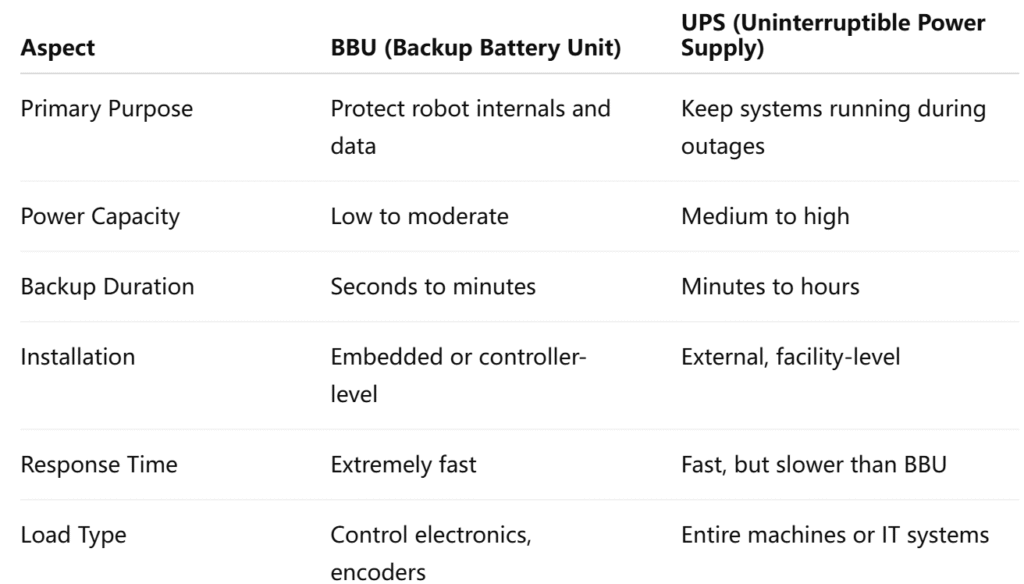
3. BBU vs. UPS: What’s the Difference?
Although BBUs and UPS systems both provide backup power, they are fundamentally different in purpose, scale, and design philosophy.
Key Takeaway
A UPS is designed to maintain operation.
A BBU is designed to maintain control, safety, and integrity.
In many advanced facilities, BBUs and UPS systems coexist, each addressing different layers of power reliability.
4. Typical Application Scenarios for Robot BBUs
4.1 Industrial Robotic Arms
Used in automotive, electronics, and metalworking industries, BBUs ensure:
Encoder data retention
Safe axis stop during power loss
Faster production recovery
4.2 Collaborative Robots (Cobots)
Cobots operate close to humans and require:
Predictable behavior during faults
Reliable safety circuit power
BBUs support functional safety compliance and reduce risks in human–robot interaction.
4.3 Autonomous Mobile Robots (AMRs) and AGVs
For mobile robots, BBUs back up:
Navigation controllers
Communication modules
Emergency braking systems
Even if the main traction battery disconnects, the robot can remain visible, communicative, and safe.
4.4 Medical and Service Robots
In hospitals and public spaces, BBUs ensure:
Data protection
Safe motion control
System integrity during power instability
These environments demand high reliability and zero tolerance for uncontrolled behavior.
4.5 Smart Factories and Automated Warehouses
In large-scale automated systems, a single robot failure can disrupt entire workflows. BBUs help maintain:
System synchronization
Order tracking accuracy
Rapid fault recovery
5. Key Design Considerations for a Robot BBU
When selecting or designing a BBU for robotic applications, engineers typically evaluate:
Backup duration requirements
Operating temperature range
Charge–discharge cycle life
Safety certifications
Integration with robot controllers and drives
Increasingly, modern BBUs also incorporate:
Battery health monitoring
Communication with central controllers
Predictive maintenance data
Conclusion: A Small Component with a Big Responsibility
In modern robotic systems, the BBU may not be the most visible or powerful component—but it is one of the most strategically important.
By ensuring data integrity, safe motion control, and system stability during power disturbances, a Backup Battery Unit acts as the last line of defense between normal operation and costly failure.
As robots continue to move toward higher autonomy, tighter safety standards, and 24/7 operation, the role of the BBU will only grow more critical—quietly supporting the intelligence, precision, and reliability that define next-generation robotics.
How Hot-Swappable Power Systems Are Redefining Reliability and Uptime
In modern drone systems, robotics, data centers, and industrial equipment, one demand is becoming increasingly clear:
Downtime is the real enemy.
Whether it is an industrial drone performing continuous inspection, a counter-drone system on permanent standby, or a logistics UAV operating in high-frequency missions, stopping the system just to change a battery is no longer acceptable.
This is where battery hot-swap technology comes in.
Hot-swap (or hot-plug) battery systems allow a battery to be removed and replaced while the system is still powered on and operating, without shutdown, reboot, or power interruption.
At first glance, this sounds simple. In reality, it is one of the most challenging power-system engineering problems in modern electronics and UAV platforms.
This article explains what battery hot-swap technology is, how it works, why it is difficult, and where it is being used.
1. What Is Battery Hot-Swap Technology?
Battery hot-swap technology refers to a power system architecture that allows:
One or more batteries to be removed
And replaced with new ones
While the device continues running without losing power
In other words:
The system never experiences a power drop, even for a millisecond.
This usually requires:
At least two power sources (two batteries, or battery + capacitor, or battery + supercapacitor)
An intelligent power management and switching system
Carefully designed connectors, protection circuits, and control logic
2. Why Hot-Swap Is Becoming So Important
In many modern applications, power continuity is mission-critical:
Industrial inspection drones
Counter-drone defense systems
Warehouse robots and AGVs
Medical equipment
Telecom backup systems
Data acquisition and monitoring stations
If the system must shut down every time a battery is replaced:
Tasks are interrupted
Systems must reboot
Position, memory, or mission state may be lost
Operational efficiency drops sharply
With hot-swap:
The system never stops. Only the energy source changes.
3. How Does Battery Hot-Swap Technology Work?
A true hot-swap system is not just a mechanical connector design. It is a complete power architecture.
3.1 Dual Power Architecture
Most hot-swap systems use:
Two batteries in parallel or semi-parallel
Or one main battery + one buffer battery / supercapacitor
At any moment:
One battery is powering the system
The other is either being replaced or waiting as backup
3.2 Seamless Power Switching
The core of hot-swap technology is:
Zero-drop power path switching
This is achieved using:
Ideal diode controllers or OR-ing MOSFET circuits
Power path management ICs
Fast voltage comparison and arbitration logic
These circuits ensure:
The higher-voltage or healthy battery automatically supplies the load
No reverse current flows
No short circuit occurs during insertion or removal
3.3 Inrush Current Control and Pre-Charge
One of the biggest dangers in hot-swapping is:
Inrush current
When a fresh battery is plugged in:
Its voltage may differ from the system bus
The system capacitors look like a short circuit
A huge current spike can occur
Professional hot-swap systems use:
Pre-charge resistors
Soft-start MOSFET control
Controlled ramp-up circuits
To ensure:
No sparks
No connector damage
No MOSFET or BMS destruction
3.4 System-Level Energy Buffer
Many hot-swap systems include:
A small buffer battery
Or a supercapacitor bank
Its job:
Maintain system power for a few seconds
Bridge the gap during battery removal and insertion
Absorb transient loads
4. Why Hot-Swap Is Technically Difficult
4.1 You Are Switching Power Under Load
Unlike normal battery replacement:
The system is live
Currents are flowing
Electronics are active
Any mistake can cause:
Reset
Data loss
MOSFET failure
Connector arcing
Or total system crash
4.2 You Must Control Three Enemies at Once
Voltage difference
Current surge
Timing race conditions
This requires:
Fast, reliable analog circuits
Robust firmware logic
Redundant safety protection
4.3 You Must Design for Human Behavior
Hot-swap means:
Users may insert slowly
Or at an angle
Or remove under load
Or partially insert
The system must survive all of these.
5. Hot-Swap in High-Power Systems (Drones, Robots, UAVs)
In high-power systems such as:
Industrial drones
Counter-drone systems
Autonomous robots
Mobile base stations
Hot-swap becomes much harder because:
Currents are high
Voltages are high
Energy levels are large
Risks are amplified
These systems require:
High-current hot-swap connectors
Multi-layer MOSFET protection
Coordinated BMS + power-path control
Fault-tolerant architecture
6. What Makes a Battery Suitable for Hot-Swap Systems?
Not all batteries are hot-swap friendly.
A good hot-swap battery system needs:
Stable voltage behavior
Reliable BMS communication
Low internal resistance
Fast response to connect/disconnect events
Predictable protection behavior
The battery is no longer a “dumb energy box” — it becomes an active part of the power system.
7. Typical Applications of Battery Hot-Swap Technology
1) Industrial and Inspection Drones
Continuous operation without shutdown
Especially for tethered or dock-based systems
2) Counter-Drone Defense Systems
24/7 readiness
No reboot allowed during battery change
3) Warehouse Robots and AGVs
Battery change without stopping production line
4) Medical and Monitoring Equipment
No interruption of data or operation
5) Telecom and Edge Computing Devices
Maintenance without service downtime
8. Common Misunderstandings About Hot-Swap
❌ “Just put two batteries in parallel and it’s hot-swappable.” → Dangerous and wrong.
❌ “A connector rated for hot-plug is enough.” → The connector is only 10% of the solution.
❌ “The BMS will handle everything.” → Power-path control is a system-level responsibility.
Conclusion: Hot-Swap Is a System Architecture, Not a Feature
Battery hot-swap technology is not:
A connector trick
Or a firmware option
Or a simple wiring change
It is:
A complete power system architecture combining hardware, control logic, protection design, and human-factor engineering.
As drones, robots, and autonomous systems move toward:
24/7 operation
Zero downtime
High mission continuity
Hot-swap power systems will become:
A core infrastructure capability, not a luxury feature.
And in the future, the true competition will not be:
what are the consequences of an abrupt power failure in a drone
Core Common Consequence regardless of type, a sudden total power failure universally leads to:
** Loss of Controllability: The flight control system, communication systems, and actuators (servos, motors) cease functioning, rendering the UAV uncontrollable.
** Crash Risk: This is the most direct and inevitable outcome, likely resulting in the complete destruction of the airframe.
** Secondary Hazards: Poses a significant threat to ground personnel, property, and public safety, potentially causing severe data or mission failure.
1. Consumer-Grade Multi-Rotor Drones
Examples: DJI Mavic, Phantom, Mini series, etc.
Flight Characteristics: Reliant on continuous lift from multiple rotors for hover and maneuverability.
*Consequence Analysis:
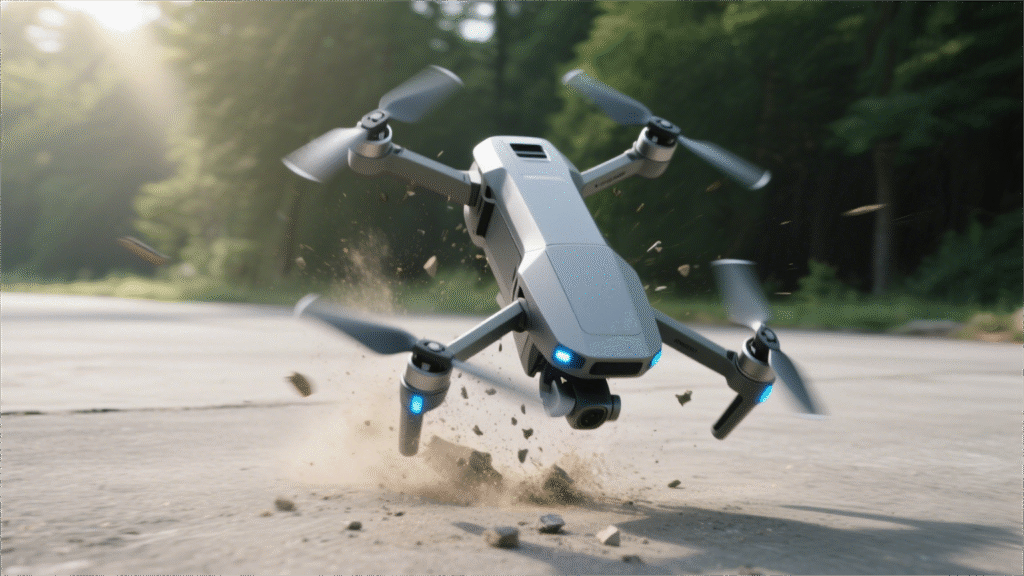
A: Immediate Free Fall:Upon power loss, all rotors stop providing lift, causing the UAV to enter an uncontrolled “tumble or straight free-fall”.
B: Catastrophic Crash (“Crash and Smash”):Physical impact is the primary damage mechanism. The gimbal, camera, landing gear, arms, and propellers are high-risk components. The battery may rupture, catch fire, or explode due to crushing or penetration upon impact.
C: Data Loss: Unsave imagery or video data from the ongoing mission will be lost.
D:Personnel Risk:Typically operated near populated areas, presenting the highest immediate risk to personal safety.
*Primary Causes of Power Failure:
1)Battery Issues (Most Common Cause):
Inaccurate Charge Indication / Aged Battery: Voltage sag triggers the protection circuit due to inaccurate state-of-charge reporting.
Poor Connection: Improperly seated battery dislodges mid-flight due to vibration.
Low-Temperature Operation: Reduced chemical activity in Li-Po batteries causes rapid voltage drop, triggering low-voltage protection.
2)Internal Hardware Failure:
Electronic Speed Controller (ESC) Failure:A single ESC failing can sometimes cause a system-wide power shutdown.
Main Power Line/Connector Failure: Soldering points failing, wire fractures, or short circuits.
Flight Controller (FC) Failure: A rare but critical failure of the main processor can cause a system lock-up, equivalent to a power failure.
3)External Collision: A high-impact collision with structures or terrain can displace the battery or sever primary power lines.
2. Fixed-Wing UAVs
Examples: Surveying, power line inspection, military reconnaissance drones.
Flight Characteristics: Generate lift aerodynamically via wings; thrust is provided by a motor/propeller or engine for forward motion.
*Consequence Analysis:
A.Not an Immediate Vertical Descent: Loss of power results in loss of thrust, but the airframe will enter a gliding state due to its aerodynamic properties.
B.Potential for Controlled Recovery:If the avionics systems (flight controller, servos) remain powered by a backup or separate battery, the operator may retain control to execute an emergency glide landing (deadstick landing), potentially minimizing damage.
C.Damage Mode:Failed forced landings still cause damage to the airframe structure (wings, fuselage, landing gear). However, compared to multi-rotors, damage is often more contained. Payloads (e.g., survey cameras) housed within the fuselage have a higher probability of survival.
*Primary Causes of Power Failure:
1)Propulsion System Failure:
Motor/Engine Failure:Fuel exhaustion, ignition system failure (combustion engines), or motor burnout (electric motors).
Propeller Failure: Blade fracture or detachment, causing uncontrolled motor operation or imbalance.
2)Power System Failure:
Main Battery Failure: Similar issues as with multi-rotors, though systems are often more complex.
Generator Failure (Hybrid Systems): Failure of the generator supplying power to avionics and motors in gasoline-electric hybrid systems.
3)Wiring Harness Fatigue:prolonged high-speed flight and vibration can lead to fatigue failure of critical power wiring.
3. Industrial & Military Grade UAVs
Examples: Large MALE/HALE (Medium/High Altitude Long Endurance) UAVs, heavy-lift cargo drones, combat unmanned systems.
Flight Characteristics:Highly complex systems where redundancy is a standard design requirement.
*Consequence Analysis:
A.Exceptionally Severe Consequences: These UAVs are heavy, fast, and carry high-value payloads (e.g., radars, munitions, sensitive cargo). A crash results in massive financial loss and potential for significant collateral damage and casualties.
B.Redundancy Mitigates Risk:These systems incorporate extensive redundancy designs, such as:
C.Dual/Multi-Redundant Power Systems:Multiple batteries, generators, and power distribution channels with automatic fail-over.
D.Ballistic Recovery Systems (Parachutes):Automatically deploy upon detection of critical failure or power loss.
E.Redundant Flight Controls and Actuators: Ensures retained controllability after partial system failures.
Therefore, a complete and sudden total power failure is extremely rare.Partial system failures or propulsion loss are more common, and redundant systems are designed to initiate recovery procedures or controlled crash sequences.
*Primary Causes of Power Failure:
1)Catastrophic Mechanical Failure:Complete engine seizure, catastrophic failure of the fuel system.
2)Hostile Engagement (Military Context):Being struck by enemy fire, leading to structural disintegration.
3)Extreme Environmental Events:Lightning strike causing massive electrical system overload and failure.
4)Cascading System Failures:A sequence of failures across multiple redundant systems due to design flaws or inadequate maintenance.
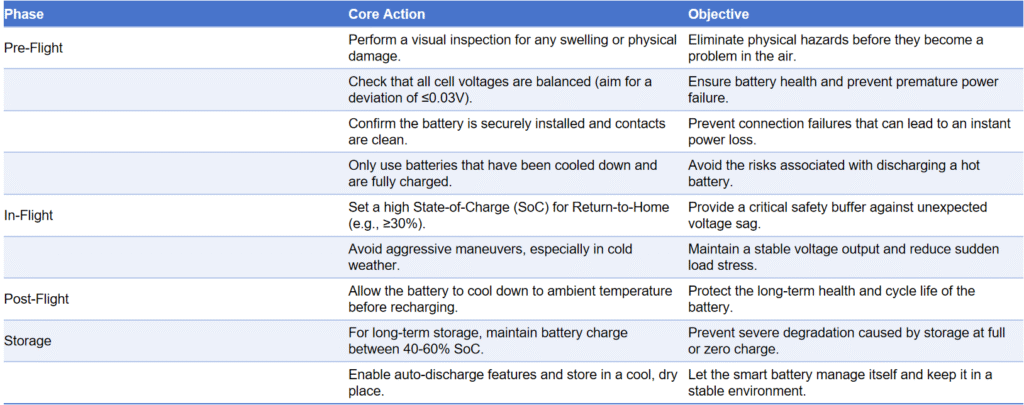
In-flight power failure, often resulting from battery issues, is a critical safety concern in unmanned aerial vehicle (UAV) operations. A proactive and disciplined approach to battery management is the most effective strategy for mitigation. This guide outlines a systematic protocol for preventing power failure through proper battery selection, handling, and maintenance.
4. Pre-Flight: Rigorous Inspection & Preparation
This phase is critical for identifying and eliminating potential hazards before flight.
4.1. Visual Inspection (Mandatory before every flight)
Swelling/Deformation:IMMEDIATELY withdraw from service any battery showing signs of swelling or deformation. This indicates internal cell damage, posing an extreme risk of short circuit and instantaneous power loss.
Physical Damage: Inspect the battery casing for cracks, the connectors for signs of arcing or corrosion, and cables for wear or exposure. Any physical damage compromises integrity and can lead to failure.
Interface Cleanliness:Ensure the battery’s metal contacts are clean, free from oxidation, dirt, or debris. Poor contact can cause power interruption, potentially triggering the flight controller’s emergency landing sequence.
4.2. Software & Data Inspection (Mandatory before every flight)
Cycle Count: Monitor the battery’s charge cycle count and overall health status (e.g., in the OEM app). Batteries with high cycle counts (e.g., >200 cycles) exhibit degraded performance and reliability. Plan for replacement or de-rate their use.
Cell Voltage Deviation: Access the battery information page in the flight app to check the voltage of individual cells. A healthy battery will have minimal voltage deviation between its cells (typically ≤0.03V). A significant deviation (e.g., >0.1V) indicates cell imbalance, leading to inaccurate fuel gauging and a high probability of a low-voltage cutoff under high load. Do not use imbalanced batteries.
4.3. Charging & Installation
Use OEM Chargers: Always use the manufacturer’s approved charging system. Third-party chargers can damage cells and cause imbalance or “virtual charge” (incorrect voltage reporting).
Cool Down After Charging:** Allow the battery to cool to ambient temperature after charging before installation. High internal resistance in a hot battery reduces performance and increases risk.
Secure Installation: Insert the battery into the drone until you hear and feel the locking mechanism engage positively. Gently pull on the battery to confirm it is secure and will not detach in flight.
5. In-Flight: Scientific Operational Practices
5.1. Maintain a Safety Buffer
Never drain the battery to 0%. Adhere to a conservative Return-to-Home (RTH) battery level setting (recommended ≥30%). Voltage drops precipitously at low states of charge; a high-power maneuver (e.g., aggressive ascent or wind correction) can cause a sudden “voltage sag,” triggering forced landing or cutoff.
5.2. Monitor Real-Time Parameters
Periodically monitor real-time voltage and current draw in addition to the percentage. An abnormal voltage drop during stable hover is a primary indicator of a failing battery—initiate a calm and immediate return.
5.3. Avoid Aggressive Flight Profiles
Minimize sustained 100%-throttle maneuvers, especially at lower charge states. High-current draws place significant stress on the battery, increasing the risk of voltage sag and activation of internal protective circuits.
5.4. Manage Environmental Temperature
Low temperatures are a primary risk factor. Cold severely inhibits chemical reaction rates within Li-Po batteries, reducing capacity and making voltage sag more likely.
Implement pre-flight warming: Keep batteries in a warm environment (e.g., inside a jacket, insulated case) at approximately 20°C (68°F) prior to flight. After takeoff, perform a low-power hover for 1-2 minutes to allow the battery to reach its optimal operational temperature.
6. Post-Flight: Proper Handling & Storage
Correct procedures extend battery life and long-term reliability.
6.1. Post-Flight Cooldown
Allow the battery to cool to ambient temperature before initiating a recharge. Charging a hot battery accelerates degradation.
6.2. Long-Term Storage Protocol
Never store long-term at 100% or 0% charge. Both states accelerate chemical aging and increase the risk of swelling.
Ideal Storage State of Charge (SoC):Maintain battery charge level between 40% – 60% for storage.
Utilize Self-Discharging Function:Most intelligent batteries feature an auto-discharge setting. When enabled, the battery will automatically discharge to a safe storage voltage (typically ~60%) after a preset number of idle days. This function must be enabled.
Pouch batteries represent a revolutionary advancement in lithium-ion technology, offering unique benefits that cylindrical and prismatic cells can’t match. But what exactly makes them stand out in today’s energy storage market? Let’s examine their technical advantages, limitations, and growing applications across industries.
Pouch cells utilize flexible aluminum-plastic film packaging instead of rigid metal casings, achieving 40% lighter weight than steel-shell batteries while delivering 240-380Wh/kg energy density (Source: 2023 Battery Industry White Paper). Their superior safety comes from venting mechanisms that prevent explosions – a critical advantage for consumer electronics and EVs.
Table of Contents
What Makes Pouch Batteries Unique?
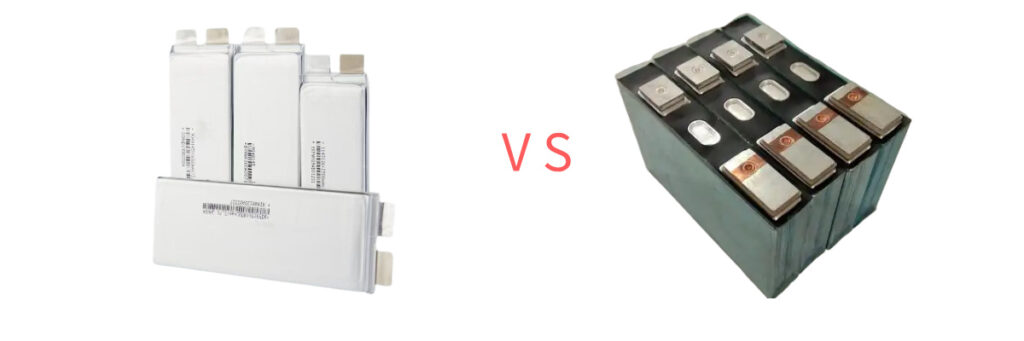
Pouch VS Rigid Batteries: Key Differences
5 Competitive Advantages
Current Technical Challenges
Innovative Applications
Future Market Outlook
What Makes Pouch Batteries Unique?
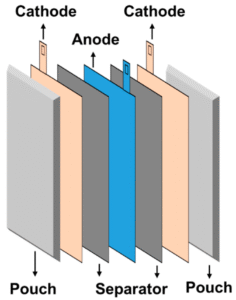
structure of a pouch type lithium ion battery
Unlike conventional lithium-ion batteries, pouch cells adopt a “coffee bag” design where electrode stacks are vacuum-sealed in aluminum-plastic composite film. This innovative packaging enables:
Ultra-thin profiles (as slim as 0.5mm) impossible with rigid cases
Customizable shapes that conform to product designs
Built-in safety vents through sealed edges that release gases during thermal runaway
Industry data shows pouch batteries maintain 95% capacity after 800 cycles when properly designed (Source: Journal of Power Electronics, 2024).
Pouch vs Rigid Batteries: Key Differences
Feature
Pouch Batteries
Rigid Batteries
Packaging
Aluminum-plastic film
Steel/aluminum shell
Weight
20-40% lighter
Heavier
Energy Density
240-380 Wh/kg
210-230 Wh/kg
Safety
Swells without explosion
May rupture violently
Technical Insight The laminated structure reduces internal resistance by 15-20% compared to cylindrical cells (Source: IEEE Energy Conversion Congress 2023), significantly improving charge/discharge efficiency.
Five Competitive Advantages of Pouch Batteries
Enhanced Safety When internal pressure builds, the welded seams deliberately fail first, preventing catastrophic failure. Tesla’s 4680 battery incident reports show pouch designs reduced thermal events by 60% versus rigid formats.
Space Efficiency Eliminating metal casings allows 90-95% packaging efficiency versus 70-80% for prismatic cells. This enables smartphones like the latest Galaxy series to gain 15% more battery capacity within the same volume.
Manufacturing Flexibility Companies like LG Chem utilize “Z-fold” stacking techniques to produce customized shapes for wearable devices and medical implants.
Thermal Performance The large flat surface facilitates better heat dissipation, keeping operating temperatures 5-8°C lower than cylindrical counterparts during fast charging.
Sustainability Edge Aluminum-plastic films generate 30% less production waste than metal casings according to 2024 EU Battery Directive reports.
Current Technical Challenges
Supply Chain Constraints 80% of high-end aluminum-plastic films still come from Japanese suppliers (DNP, Showa Denko), creating bottlenecks. Domestic alternatives from companies like Shanghai Energy New Materials currently meet only 20% of demand.
Design Limitations While pouch batteries excel in consumer electronics, automotive applications face hurdles:
Maximum cell length limited to 600mm
Requires additional support structures in battery packs
Medical devices: Thin-profile batteries power next-gen pacemakers
Aerospace: UAV drones, eVTOL, FPV
Market Outlook: The global pouch battery market is projected to grow at 18.7% CAGR through 2030 (Grand View Research), driven by EV adoption and wearable technology expansion.
Conclusion Pouch batteries deliver unmatched design flexibility and safety advantages, though material science breakthroughs are needed to overcome current size limitations. As manufacturing scales up and aluminum-plastic film production localizes, these power solutions will dominate next-generation energy storage applications.
Fast charging has become a game-changer for drone operators, but what exactly makes a battery “fast-charging”? For drones, which predominantly use “LiPo pouch cells” or “cylindrical batteries”, fast charging typically means replenishing 80% capacity in under 30 minutes. However, this technology involves trade-offs between speed, safety, and battery longevity.
“Fast-charging LiPo batteries can reduce drone downtime by 70%, but improper use may slash cycle life by 50%,”* warns a 2023 MIT Energy Initiative report. Understanding the mechanics behind fast charging is critical for drone pilots choosing between pouch and cylindrical cells.
Let’s dissect how fast charging works, its impact on different drone battery types, and future innovations like solid-state electrolytes that could revolutionize the industry.
Table of Contents
[How does a battery achieve fast charging?](#how-fast-charging-works)
[How long does fast charging take?](#charging-time)
[Which battery is better for fast charging: Pouch vs. Cylindrical?](#battery-types)
[Slow charge vs. fast charge: Which wins?](#charging-speed)
[Does fast charging affect battery life?](#battery-life)
[Mitigation strategies for fast charging](#mitigation)
[Batteries that shouldn’t be fast-charged](#avoid-fast-charging)
[The future of fast-charging drone batteries](#future)
How Does a Battery Achieve Fast Charging?
Key Factors:
– Low Internal Resistance: LiPo pouch cells (20–25 mΩ) typically outperform cylindrical cells (30–40 mΩ) in heat dissipation during fast charging (*Journal of Power Sources, 2022*).
– Advanced Anodes: Silicon-doped graphite anodes in premium LiPos enable 5C charging rates vs. standard 1C rates.
– Thermal Management: Pouch cells’ flat geometry allows better cooling surface area than cylindrical formats.
How Long Does Fast Charging Take?
| Battery Type | Standard Charge Time | Fast Charge Time (80%) |
|——————–|———————-|————————|
| LiPo Pouch | 60–90 mins | 12–18 mins (5C) |
| Cylindrical | 70–100 mins | 20–30 mins (3C) |
*Data source: DJI Battery Whitepaper 2023*
Pouch vs. Cylindrical: Which is Better for Fast Charging?
**LiPo Pouch Cells**
✅ Lower impedance
✅ Better heat dissipation
❌ Higher swelling risk at >4C rates
**Cylindrical Cells (e.g., 18650/21700)**
✅ Mechanical stability
✅ Lower cost
❌ Hotspot risks in multi-cell packs
Slow Charge vs. Fast Charge: The Trade-Offs
– “Slow charging (0.5–1C)”: Extends cycle life by 30–40% (University of Michigan, 2021)
For drone operators, “fast-charging LiPo pouch batteries” currently offer the best balance of speed and safety, though emerging solid-state tech may soon dominate. Always match charging speed to mission requirements – sometimes slower is smarter.
Wondering how to accurately measure your battery’s health? Testing battery capacity is crucial for devices ranging from drones to electric vehicles. This guide explores the science behind capacity testing, practical methods, and when to perform these tests—helping you maximize battery lifespan and performance.
Battery capacity measures how much energy a battery can store (in mAh or Wh). Proper testing ensures safety, prevents unexpected failures, and optimizes replacement cycles. According to a 2023 study by Battery University, regular capacity checks can extend lithium-ion battery life by up to 30%.
Let’s break down the process into three key areas:
Table of Contents
The Science Behind Battery Capacity Testing?
How to Test Battery Capacity Accurately?
When Should You Test Battery Capacity?
Conclusion & Pro Tips
1. The Science Behind Battery Capacity Testing?
Opening Paragraph: Battery capacity testing relies on measuring energy discharge under controlled conditions. Capacity = Discharge Current (A) × Time (h). For example, a 3000mAh battery should deliver 3A for 1 hour or 1A for 3 hours.
Dive Deeper:
Coulomb Counting: Tracks current flow over time (used in smartphones/BMS).
Voltage Method: Estimates capacity via voltage drop (less accurate but faster).
Impedance Spectroscopy: Advanced lab technique analyzing internal resistance (Source: Journal of Power Sources, 2022).
Claim: Precision requires standardized discharge rates (0.2C–1C) and temperature controls (25°C ±2°C per IEC 61960).
Apply constant load (e.g., 0.5C via resistor bank).
Record time until voltage drops to cutoff (e.g., 3.0V for Li-ion).
Calculate: Capacity = Current × Time.
Pro Tip: For drones/EVs, use cyclers like Arbin BT-5HC (NASA-approved).
3. When Should You Test Battery Capacity?
Critical Scenarios:
Pre-purchase checks: Verify claimed specs (e.g., 5000mAh power banks).
Performance drops: If your phone dies at 20%, capacity may be degraded.
Safety audits: Swollen batteries often show <80% original capacity (Source: UL 1642).
Industry Standards:
Drone: 3-6 months for commercial use or 6-12 months for recreational use(ICAO Annex 6)
Medical Devices: Mandatory annual tests (FDA 21 CFR 880.5860).
Electric Vehicles: Test every 6 months (SAE J2929).
Conclusion
Testing battery capacity ensures reliability across industries. For DIY users, software tools like BatteryBar suffice, while professionals should invest in cyclers. Remember: “A well-maintained battery is a long-lasting battery.”
The differences in battery selection between agricultural drones (plant protection drones) and industrial drones primarily stem from their operational requirements and discharge performance demands.
the differences in battery selection between agricultural drones and industrial drones
Power Demand Variations Plant protection drones typically require high instantaneous power output, such as for high-power spraying systems and multi-rotor drive motors, which demand substantial electricity in short bursts—especially under rapidly changing load conditions during flight. Therefore, high-rate batteries (e.g., discharge rates above 2C) are essential to ensure stable and efficient power delivery under such high-load scenarios.
On the other hand, Industrial Drones (e.g., for surveying, inspection, etc.), generally do not require sustained high-power bursts. Instead, they need steady, lower-power output. Consequently, they can utilize low-rate batteries (typically below 20C discharge rate), as these drones experience smaller load fluctuations and do not require the same high discharge capability as plant protection drones.
Flight Duration and Endurance The high power demands of spraying operations mean plant protection drones must rapidly release large amounts of energy while minimizing battery weight to enhance flight efficiency. High-rate batteries, though offering superior discharge performance, often have smaller capacities, resulting in relatively shorter flight times. However, their ability to deliver strong performance in short bursts is critical for mission success.
Industrial drones prioritize longer flight times, stability, and precision.They typically employ low-rate batteries because they do not face the same instantaneous high-power demands as plant protection drones. Instead, they rely on larger-capacity batteries to sustain prolonged flight durations without requiring excessively high discharge rates.
Operating Environment and Load Conditions Plant protection drones often operate in varied terrains, encountering significant load fluctuations due to factors like payload changes or unstable wind conditions. High-rate batteries are better suited to handle these dynamic demands. In contrast, low-rate batteries are more suitable for applications with minimal load variations, offering higher safety and reliability in scenarios where rapid load response is unnecessary.
In summary, plant protection drones require high-rate batteries due to their need for high instantaneous power output and rapid load response, whereas industrial drones can utilize low-rate batteries because their power demands are more stable and less extreme.
Storing LiPo (Lithium Polymer) batteries correctly is crucial for drone pilots who want to maximize battery lifespan and prevent safety hazards. But how should you store LiPo drone batteries? Should they be charged or discharged? What’s the ideal storage voltage, temperature, and humidity? This guide covers everything you need to know about drone battery storage based on industry best practices and expert recommendations.
LiPo batteries require specific storage conditions to avoid swelling, capacity loss, or even fire risks. The key factors include:
✅ Storage Voltage (3.7V–3.85V per cell)
✅ Temperature (Room temp or slightly cool, 15°C–25°C / 59°F–77°F)
✅ Humidity (Low, <50% relative humidity)
✅ Container (Fireproof LiPo bag or metal box)
✅ Location (Dry, non-conductive, away from flammable materials)
Let’s dive deeper into each factor for optimal drone battery storage.
Table of Contents (TOC)
How Long Can You Store a LiPo Drone Battery?
Should You Store LiPo Batteries Charged or Discharged?
What’s the Best Storage Voltage for LiPo Drone Batteries?
Ideal Temperature & Humidity for Storing LiPo Batteries
Best Containers & Storage Locations for LiPo Batteries
Final Checklist for Safe LiPo Battery Storage
1. How Long Can You Store a LiPo Drone Battery?
LiPo batteries should not be stored for more than 1–2 months without maintenance. Prolonged storage without proper voltage checks can lead to: 🔋 Capacity loss (battery won’t hold a full charge) 🔥 Swelling or fire risk (if voltage drops too low or rises too high)
Expert Tip: Check stored LiPo batteries every 3–4 weeks and recharge/discharge to the optimal storage voltage (3.8V per cell).
2. Should You Store LiPo Batteries Charged or Discharged?
Never store LiPo batteries fully charged (4.2V/cell) or fully discharged (<3.0V/cell).
Fully charged storage → Accelerates degradation, increases fire risk.
Fully discharged storage → Can permanently damage cells (voltage drops too low).
✅ Best Practice: Store at 40–60% charge (~3.7V–3.85V per cell).
Introduction: Why Your Drone Battery Choice Matters
Selecting the right drone battery isn’t just about flight time—it’s about safety, performance, and maximizing your drone’s capabilities. With lithium polymer (LiPo) and lithium-ion (Li-ion) batteries dominating the market, understanding their differences is crucial for both hobbyists and professionals1. The wrong battery can lead to reduced flight times, potential crashes, or even fire hazards. This guide will help you navigate battery selection based on your drone’s requirements and intended use.
Key Factors in Choosing a Drone Battery
1. Battery Chemistry: LiPo vs. Li-ion
LiPo (Lithium Polymer) Batteries:
Higher energy density (lighter weight for more power)
Faster discharge rates (ideal for high-performance drones)
Common in racing drones and FPV models
Requires careful handling to prevent swelling or damage 1
Li-ion (Lithium-Ion) Batteries:
Longer lifespan (500+ cycles vs. LiPo’s 100-300 cycles)
More stable but lower discharge rates
Better for long-endurance flights (e.g., industrial inspections) 2
Table: LiPo vs. Li-ion Comparison
Feature
LiPo Battery
Li-ion Battery
Energy Density
High
Moderate
Discharge Rate
Up to 100C+
Typically 5C-30C
Weight
Light
Slightly heavier
Lifespan
100-300 cycles
500+ cycles
Best For
Racing, FPV, quick maneuvers
Long-range, industrial drones
2. Capacity (mAh) and Flight Time
Battery capacity, measured in milliampere-hours (mAh), determines how long your drone can stay airborne. However, bigger isn’t always better—higher capacity means more weight, which can reduce efficiency 2.
Example Flight Times by Capacity:
10,000mAh: 30-45 min (small aerial drones)
30,000mAh: 45-75 min (agricultural drones)
40,000mAh: 60-120 min (industrial inspection drones) 2
3. Discharge Rate (C Rating)
The C rating indicates how quickly a battery can discharge power. A higher C rating (e.g., 100C) is essential for drones requiring bursts of speed, while a lower C rating (e.g., 5C-30C) suffices for steady, long-endurance flights1.
Formula for Maximum Discharge Current:
Max Current (A) = Capacity (Ah) × C Rating
Example: A 5000mAh (5Ah) 30C battery can safely discharge up to 150A.
4. Voltage (S Rating) and Motor Compatibility
The “S” number (e.g., 3S, 4S, 6S) indicates how many cells are connected in series, affecting voltage:
3S= 11.1V (entry-level drones)
4S= 14.8V (common for mid-range models)
6S= 22.2V (high-performance drones) 5
Always match your battery’s voltage to your drone’s motor and ESC (Electronic Speed Controller) limits.
Matching Battery to Drone Type
1. Racing & FPV Drones
Battery Type:High-C LiPo (80C-200C)
Capacity:800-1500mAh (5-10 min flights)
Voltage:4S-6S for maximum power 4
2. Aerial Photography Drones
Battery Type:Balanced LiPo (20C-50C)
Capacity:3000-6000mAh (15-30 min flights)
Voltage:4S-6S for stable power output 4
3. Industrial & Agricultural Drones
Battery Type:High-capacity Li-ion or smart LiPo
Capacity:20,000mAh+ (60-120 min flights)
Features:Built-in BMS (Battery Management System) for safety 2
4. Fixed-Wing & Long-Range Drones
Battery Type:LiFe (Lithium Iron Phosphate) or low-C LiPo
Capacity:2200-5000mAh (20-60 min flights)
Voltage:3S-4S for efficiency 4
Advanced Considerations
1. Smart Batteries with BMS
Modern drones increasingly use smart batteries with Battery Management Systems (BMS) that monitor:
Individual cell voltages
Temperature
Charge cycles
Health status6
2. Fast Charging & Cycle Life
Fast Charging (2C-5C):Reduces downtime (e.g., 30 min charge for a 6000mAh battery at 3C)
Cycle Life:Li-ion lasts 500+ cycles vs. LiPo’s 100-300 cycles 4
3. Environmental Adaptability
Cold Weather:Use heated batteries or pre-warm before flight
High Temperatures:Reduce C rating to prevent overheating 4
Why Choose UniquePower for Your Drone Battery Needs?
At UniquePower, we specialize in high-performance drone batteries tailored to every application—from racing FPV drones to industrial inspection UAVs. Our LiPo batteries are trusted by professionals worldwide for their reliability and cutting-edge technology.
Our Advantages: ✔ Custom Solutions: Match any drone model (10000mAh-120000mAh+) ✔ Smart BMS Integration: Real-time monitoring for safety ✔ Fast Charging: Minimize downtime with 2C-5C charging ✔ Global Support: Expert assistance and warranty coverage
Upgrade your drone’s performance today—explore our battery solutions at [www.uniquepower.net].
◆For Long Endurance: Li-ion or high-capacity LiPo (e.g., 4S 15000mAh 30C)
◆For Industrial Use: Smart batteries with BMS (e.g., 30000mAh Li-ion)
Always check your drone’s manual for voltage and current requirements before purchasing a battery.
By understanding these key factors, you can optimize your drone’s flight performance, safety, and longevity. Whether you’re a hobbyist or a professional, the right drone LiPo battery makes all the difference!
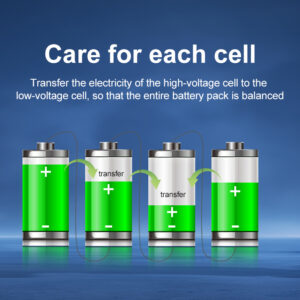
Active balancing is an advanced battery management technique that redistributes energy between cells during charging/discharging to maintain optimal performance. It actively transfers excess energy from higher-charged cells to lower-charged cells using electronic components.
Working Principle:
– Utilizes DC-DC converters, capacitors, or inductors to move energy
– Operates during both charging and discharging cycles
– Continuously monitors and adjusts cell voltages
– Typically handles higher current (1A-10A range)
Passive Balancing
Definition:
Passive balancing is a simpler battery equalization method that works by dissipating excess energy from higher-voltage cells as heat through resistors.
Working Principle:
– Uses resistive bleed circuits to discharge overcharged cells
– Primarily activates during the final charging stage
– Works with smaller currents (typically <500mA)
– Generates heat during operation
active balancing technologies for drone smart battery offered by uniquepower
It is understood that laminated refers to a production process in which the pole pieces and diaphragms are alternately stacked to ultimately form a multi-layered pole core. Compared with the winding process, the laminated process offers superior energy density, enhanced safety, and extended cycle life.
Among the three distinct types of lithium batteries, cylindrical batteries exclusively utilize the winding process, soft-pack batteries are produced solely through the laminated process, and prismatic batteries can employ either the winding or laminated process. Presently, the future product strategies of leading global battery manufacturers are progressively transitioning towards stacked batteries.
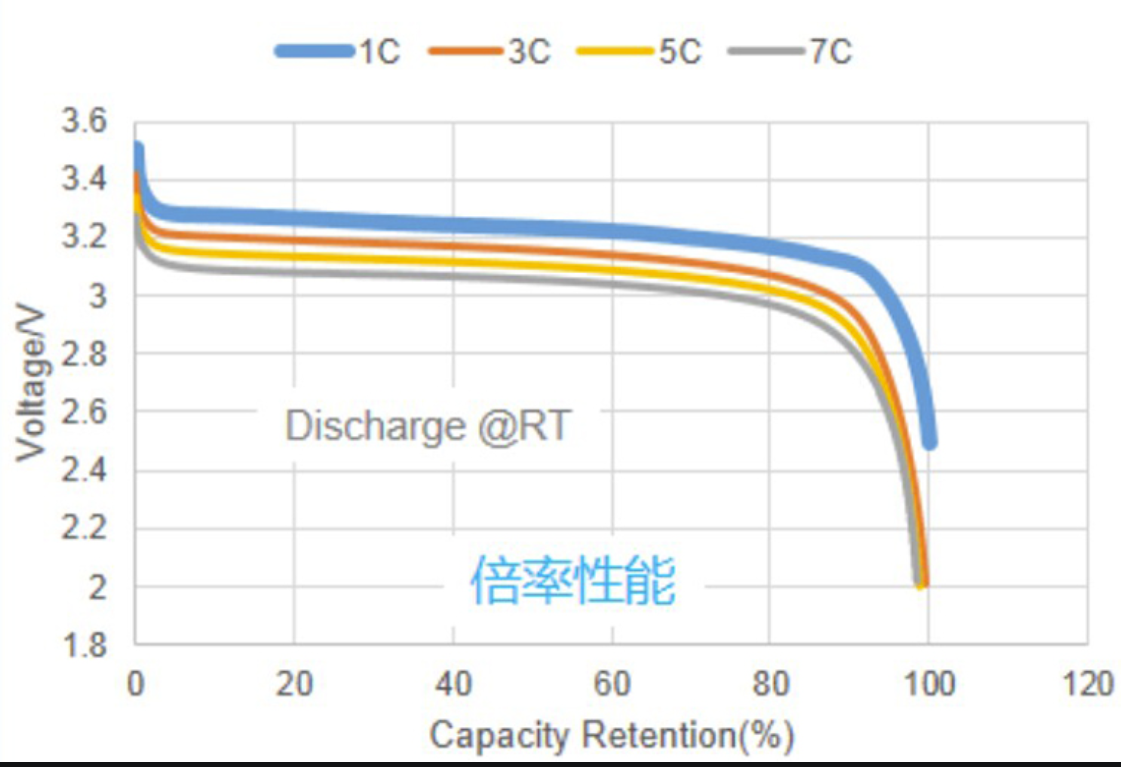
The laminated process effectively circumvents pole core defects such as powder loss and gaps, which are typically caused by the bending of pole pieces and diaphragms during the winding process. Furthermore, in terms of rate performance, the stacked structure battery outperforms the conventional structure, pole tab center structure, and multi-pole tab structure batteries produced via the winding process. From the perspective of battery manufacturers, taking UniquePower as an example, the implementation of laminated technology has matured, leading to a rapid increase in production efficiency. In certain scenarios, the efficiency surpasses that of the winding method significantly.
However, the lamination process also presents certain challenges, including reduced production efficiency and elevated equipment investment.
Definition of Battery laminated
It is understood that laminated refers to a production process in which the pole pieces and diaphragms are alternately stacked to ultimately form a multi-layered pole core. Compared with the winding process, the laminated process offers superior energy density, enhanced safety, and extended cycle life.
Among the three distinct types of lithium batteries, cylindrical batteries exclusively utilize the winding process, soft-pack batteries are produced solely through the laminated process, and prismatic batteries can employ either the winding or laminated process. Presently, the future product strategies of leading global battery manufacturers are progressively transitioning towards stacked batteries.
The laminated process effectively circumvents pole core defects such as powder loss and gaps, which are typically caused by the bending of pole pieces and diaphragms during the winding process. Furthermore, in terms of rate performance, the stacked structure battery outperforms the conventional structure, pole tab center structure, and multi-pole tab structure batteries produced via the winding process. From the perspective of battery manufacturers, taking UniquePower as an example, the implementation of laminated technology has matured, leading to a rapid increase in production efficiency. In certain scenarios, the efficiency surpasses that of the winding method significantly.
However, the lamination process also presents certain challenges, including reduced production efficiency and elevated equipment investment.
From the perspective of battery cell performance, cells produced through lamination exhibit superior characteristics, whereas the winding process has an inherent “deficit”.
On one hand, after the positive and negative electrodes and separators are wound into batteries, the electrodes at the edges on both sides have a significant curvature, which is prone to deformation and twisting during the charge and discharge process, resulting in diminished battery cell performance and potential safety risks. On the other hand, due to the uneven current distribution on both sides during the discharge process, the voltage polarization of the wound battery cell is substantial, leading to unstable discharge voltage.
In contrast, the principle of the lamination process ensures that the positive and negative electrodes and separators of the battery cell remain unbent throughout the manufacturing process, allowing for complete unfolding and laminated. This not only reduces the internal resistance of the battery cell and enhances its power but, more crucially, the flat and stable interface facilitates synchronous expansion and contraction of the electrodes, maintaining uniform deformation and electric field. This uniformity simplifies the movement of electrons within the battery cell, thereby achieving faster charging and discharging rates.
Consequently, under identical volume conditions, the energy density of the laminated battery is approximately 5% higher than that of the wound battery, and it boasts an extended cycle life.
Beyond performance, the safety of the laminated battery is also superior. The soft-pack laminated battery demonstrates a high level of safety, exhibiting neither open flame nor smoke during its needle puncture test. This is attributed to “heat”. The wound battery primarily dissipates heat along the axis of the reel, and due to the numerous layers of winding, its heat transfer and dissipation are suboptimal. Conversely, the laminated battery features fewer electrode layers and a larger surface area, resulting in more effective heat transfer and dissipation, and thus, improved thermal stability of the battery.
In summary, the laminated process surpasses the winding process in terms of energy density, safety, and charge and discharge efficiency. Due to factors such as weight and discharge rate, UAV batteries are more suitable for batteries using the laminated process.
It is imperative to recognize that not all lithium-ion polymer (LIPO) batteries possess identical voltage characteristics.
The nominal voltage of lithium batteries is contingent upon the composition of the cathode material. The subsequent list delineates the nominal voltages and operational voltage ranges of several prevalent types of lithium batteries:
Lithium Cobalt Oxide Battery
– **Nominal Voltage**: 3.7V
– **Operational Voltage Range**: 2.4V to 4.2V
Lithium Manganese Oxide Battery
– **Nominal Voltage**: 3.8V
Lithium Iron Phosphate Battery
– **Nominal Voltage**: 3.2V
– **Operational Voltage Range**: 2.0V to 3.65V
Lithium Nickel Cobalt Manganese Ternary Material Battery
– **Nominal Voltage**: Initially 3.5-3.6V, but with ongoing enhancements in formulation and structural improvements, the nominal voltage of this material’s lithium battery can achieve 3.7V
– **Operational Voltage Range**: 2.5V to 4.2V
Conventional Lithium Battery
– **Nominal Voltage**: 3.7V
– **Operational Voltage Range**: 2.5V to 4.2V
These nominal voltages and operational voltage ranges constitute pivotal parameters in the design and application of lithium batteries. A comprehensive understanding of these parameters is essential for the appropriate utilization and maintenance of lithium batteries, thereby ensuring their optimal performance and safety.