
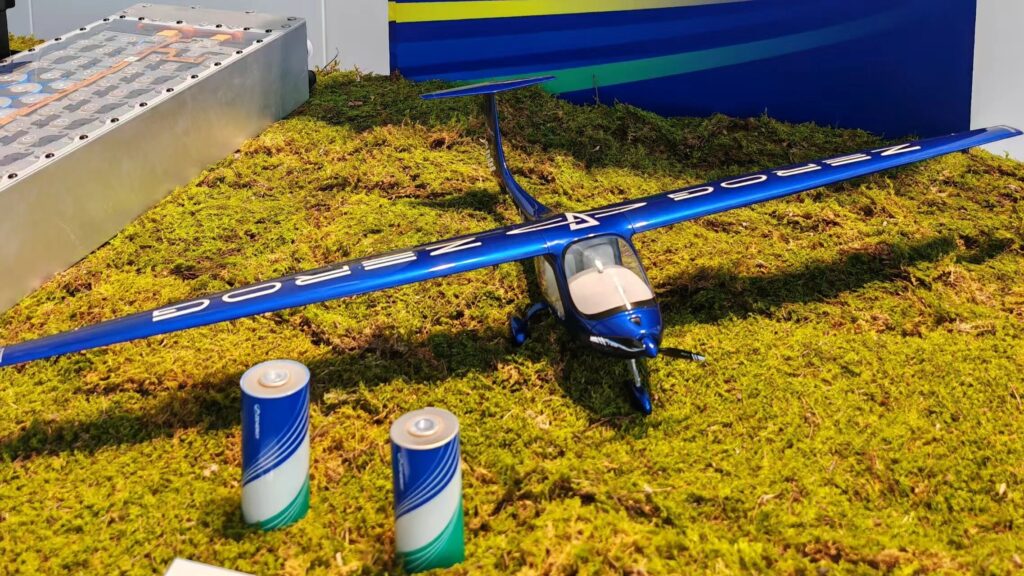
In China, prismatic and blade batteries have already achieved massive scale. They are mature, cost curves are declining, and supply chains are highly optimized.
So a question keeps coming up in almost every industry discussion:
Why are companies still investing heavily in 4680 large cylindrical batteries?
This question has become one of the hottest topics in the battery world—second only to solid-state batteries.
The answer, however, is not about “A replacing B.” It requires stepping back and looking at two deeper dimensions:
- The evolution logic of electro chemical systems
- The diversification of end-use application scenarios
Only then can we understand the unique value of 4680 large cylindrical batteries.
1. The Limits of Prismatic & Blade Batteries: Great—but Not Universal
Prismatic batteries have proven to be a highly successful engineering choice.
From early CATL engineering decisions to BYD’s blade battery success in vehicles like the Han, these technologies have delivered:
- High integration efficiency
- Mature manufacturing processes
- Competitive cost structures
But as EV requirements evolve—faster charging, higher power, stricter safety—their limitations are becoming more visible.
⚡ 1️⃣ Power & Fast Charging Limitations
Prismatic structures are constrained by tab design:
- Electron pathways are longer
- Internal resistance reduction has physical limits
To achieve 4C–6C ultra-fast charging, a different architecture is needed.
👉 4680 with tabless (full-tab) design:
- Shorter current paths
- Exponentially increased conduction channels
- Large cylindrical surface → significantly improved heat dissipation
🔥 2️⃣ Thermal Runaway Propagation
Prismatic cells are surface-to-surface contact structures.
If one cell fails:
→ Heat transfers directly to neighboring cells → Thermal propagation risk increases
👉 Cylindrical cells naturally create gaps between cells, enabling:
- Directed venting
- Thermal isolation
- Better propagation control
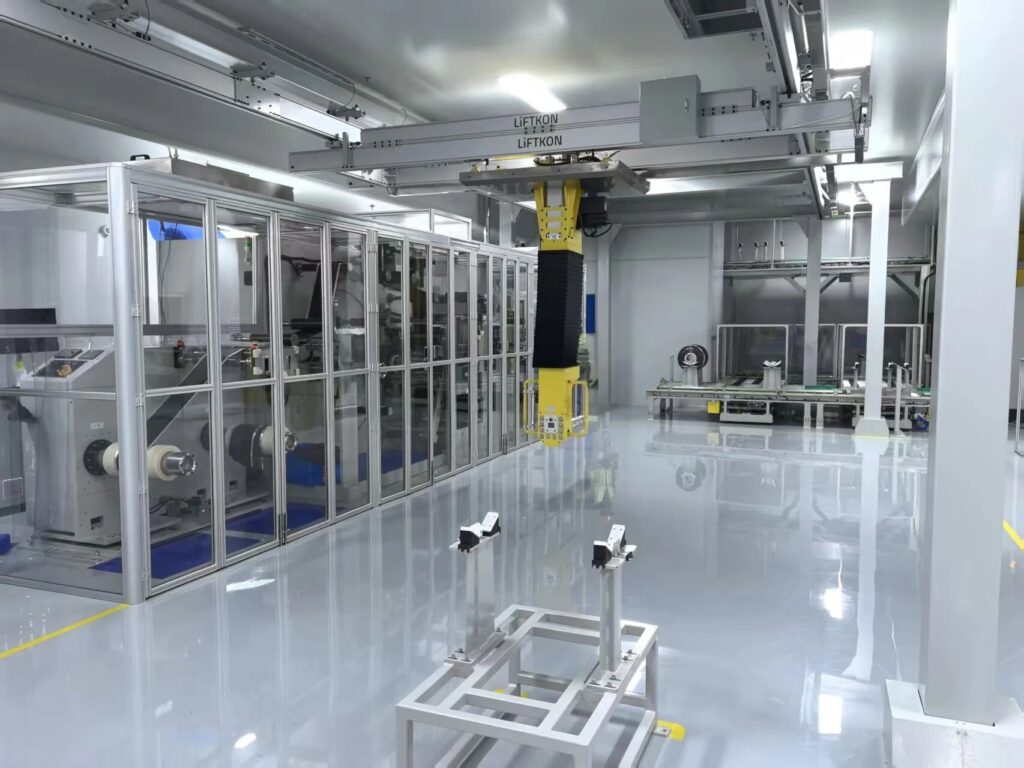
🏭 3️⃣ Manufacturing Efficiency
- Prismatic production: 10–20 PPM (considered efficient)
- Large cylindrical production: 200+ PPM achievable
👉 Higher throughput = lower cost potential
2. PHEV & Hybrid Vehicles: The Real Breakout Market for 4680
The real growth driver for 4680 may not be pure EVs—but PHEVs and hybrid vehicles.
By 2025:
- A-segment cars & SUVs
- PHEV penetration rising from 5% → 20%

This segment has unique requirements:
⚡ High Power Demand with Small Capacity
- Small battery (1–10 kWh)
- Must support acceleration and overtaking under low SOC
👉 Requires extremely high power output
💰 Extreme Cost Pressure
- “Same price as ICE” or even cheaper
- Battery must be low-cost + high performance
📦 Space Constraints
- Limited chassis space
- Battery must be compact and flexible
👉 In this segment, large cylindrical batteries provide a strong solution:
- Higher manufacturing efficiency
- Better cost structure
- High power capability
3. 4680: Not Just Bigger—A System-Level Redesign
4680 is not just a size upgrade. It represents a system-level transformation.
🚀 1️⃣ Ultra-Fast Charging Capability
With tabless design:
- Internal resistance reduced by >70%
- Enables high continuous power charging
👉 Potential performance:
“1 second of charging = 1 km of range”
🔒 2️⃣ Safety Advantage
Cylindrical geometry enables:
- Thermal isolation between cells
- Controlled gas venting
👉 Even if one cell fails:
- No chain reaction
- No full pack ignition
🧩 3️⃣ Standardization
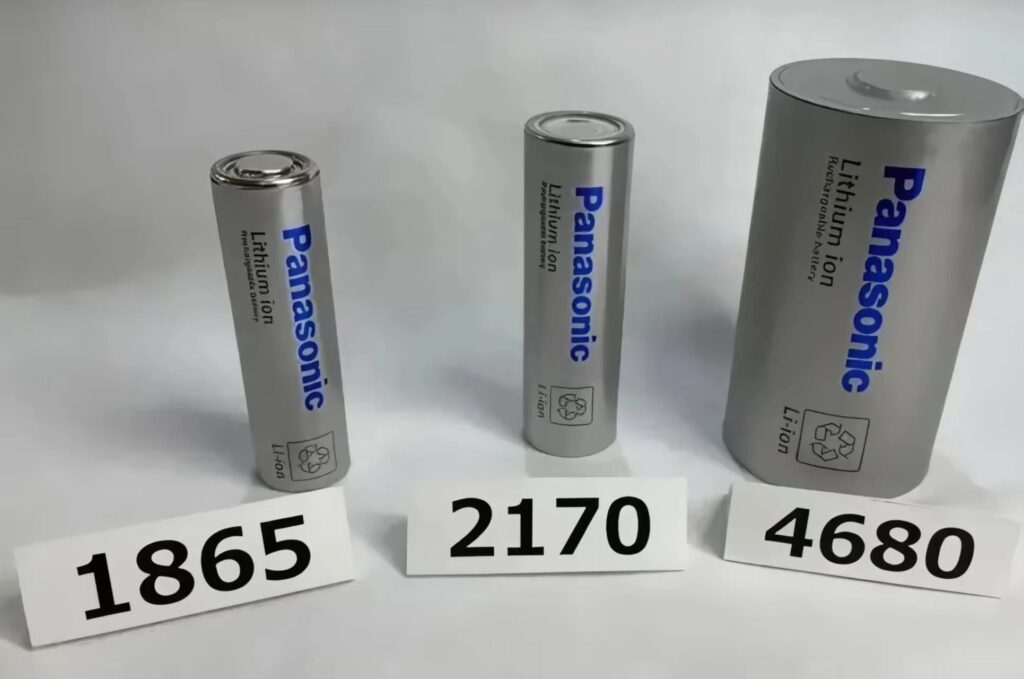
46mm diameter is emerging as a “golden standard”
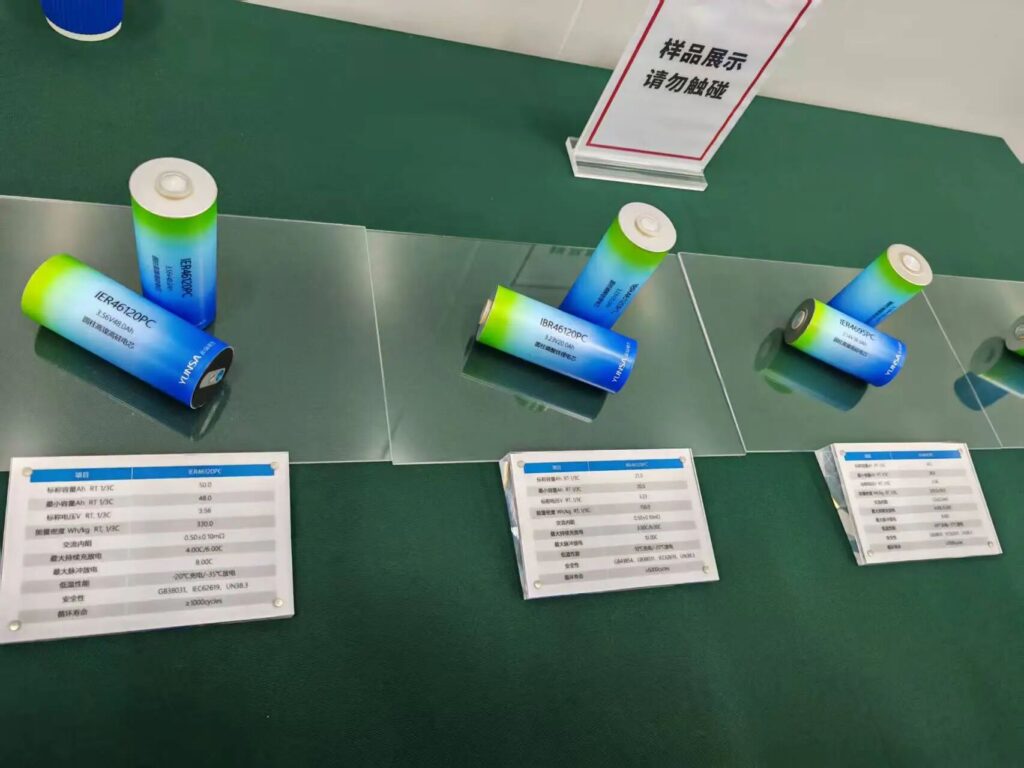
- 4680 / 4695 / 46120 variants
- Same platform, multiple applications
👉 OEMs can:
- Use one cell across multiple vehicle types
- Reduce R&D and procurement complexity
💸 4️⃣ Cost Reduction Potential
Compared to 18650:
- 5–10× higher capacity per cell
- Cell count reduced significantly
- Fewer structural components
At system level:
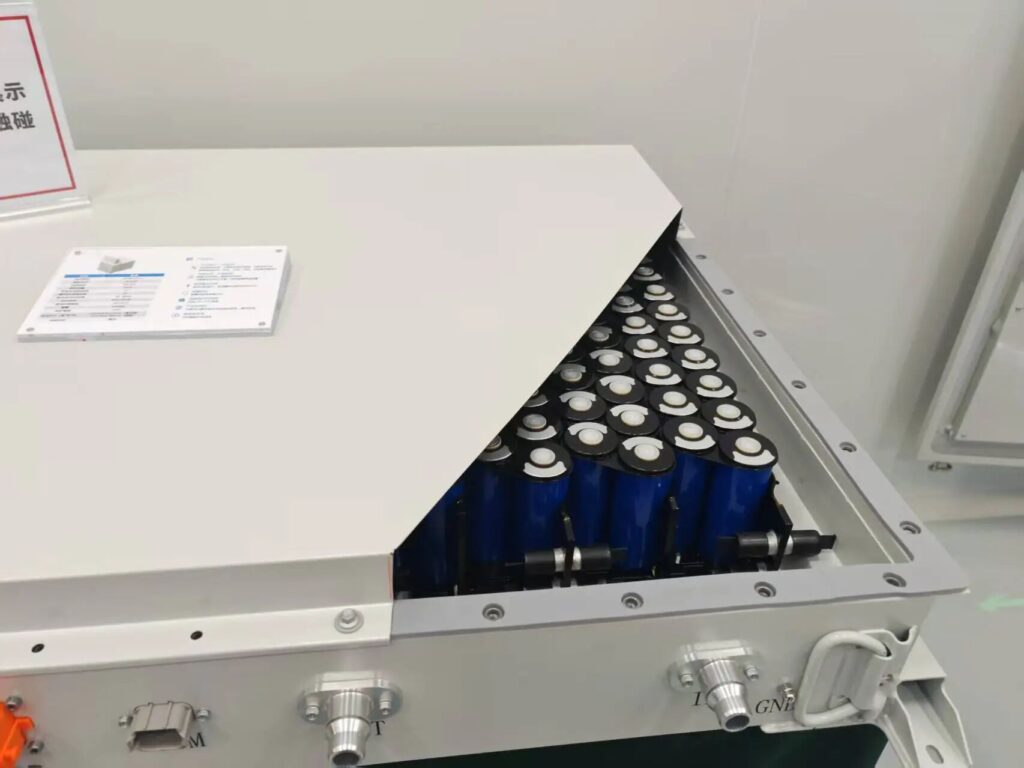
👉 CTC (Cell-to-Chassis) integration:
- Removes modules
- Improves space utilization
- Reduces material cost
⚡ 5️⃣ Extreme Power Output
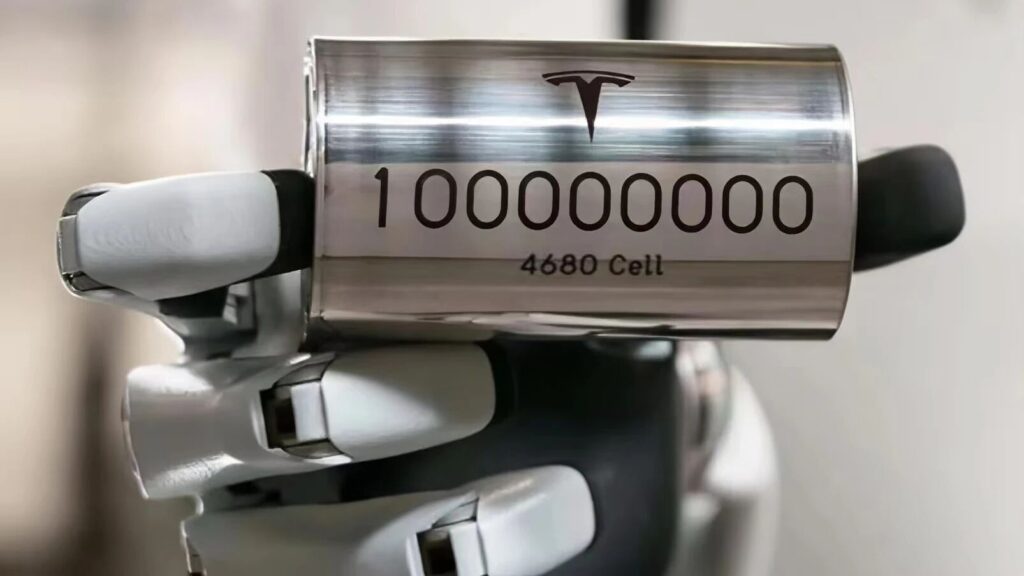
Single 4680 cell:
- 1.5 kW pulse output
In HEV systems:
- Up to 150 kW system-level pulse power
👉 Enables high-performance electrification with minimal battery size
4. Expanding Applications Beyond EVs
4680 is not limited to passenger vehicles.
🔧 Electric Tools
- High burst current
- High usage frequency
👉 4680’s tabless design is naturally suited
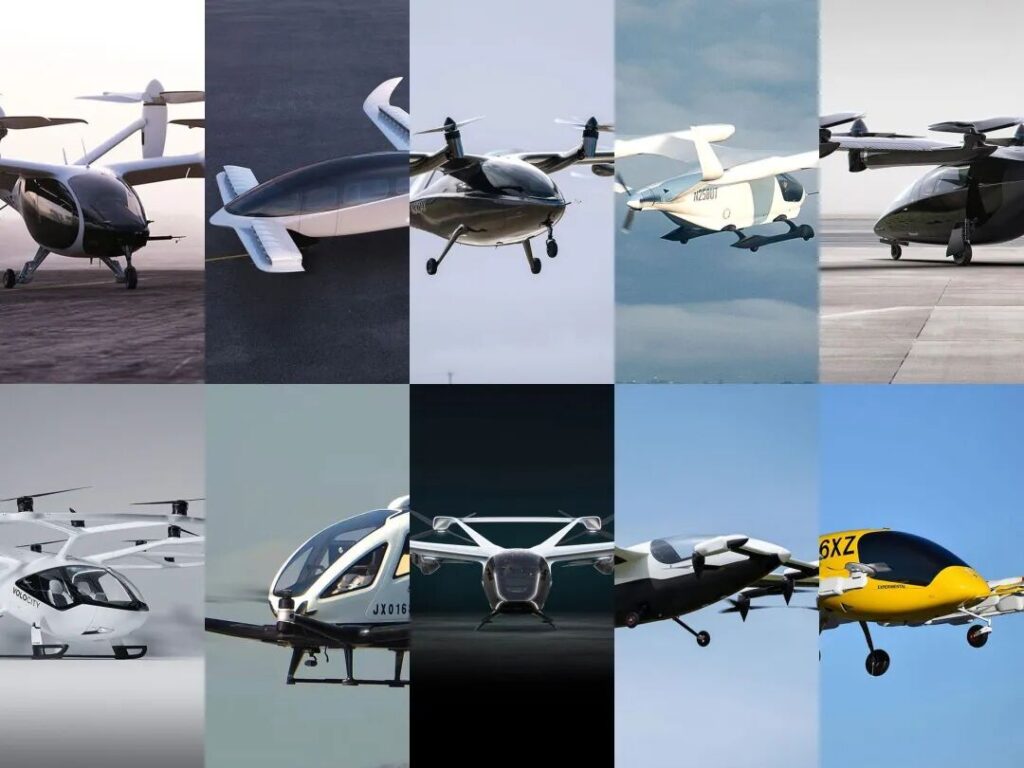
✈️ eVTOL (Electric Aviation)
Requirements:
- Energy density >400 Wh/kg
- Extreme power for vertical takeoff
- Aviation-level safety
👉Large cylindrical batteries are one of the few viable candidates
🏍 Two-Wheelers & Motorcycles
- Demand: 72V / 30–80Ah
- Need high power + reliability
👉 4680 offers:
- Standardization
- High energy density
- Fast charging
🔋 Energy Storage
- Residential ESS
- Telecom backup
- Data centers
👉 Benefits:
- Long cycle life
- Wide temperature tolerance
- Modular design
5. Global Competition: A New Battlefield
The 4680 race is becoming global.
🇯🇵🇰🇷 Japan & Korea
- Panasonic → Tesla supply
- LG, Samsung → targeting premium OEMs
👉 Strategy: “High-end market + technology barrier”
🇺🇸 Europe
- Tesla → tabless + dry electrode
- BMW → next-gen platform adoption
🇨🇳 China
Chinese players focus on:
- Manufacturing efficiency
- Cost control
- Fast scaling
Key companies:
- EVE Energy
- CALB
- Zenergy
- Yunshan Power
👉 Strategy:
“Scale first, optimize later” → Use PHEV, two-wheelers, and ESS to build experience
6. The Real Barrier: Manufacturing, Not Chemistry
The biggest challenge of 4680 is not theory—it’s mass production.
🔧 1️⃣ Tabless Welding
- Micron-level precision required
- Yield improvement from 60% → 95%+
🧪 2️⃣ Dry Electrode Process
- Coating uniformity
- Adhesion strength
- Still a global challenge
⚙️ 3️⃣ Production Ramp
- Designed speed: 200–300 PPM
- Real stable speed: much harder
👉 Chinese engineers’ strength:
- Fast iteration
- On-site problem solving
- Rapid ramp-up (24 → 12 months)
7. Investment Logic: Three Core Contradictions
To evaluate 4680, focus on:
1️⃣ Technology vs Yield Gap
Lab success ≠ mass production success
2️⃣ Demand vs Supply Concentration
- Multi-scenario demand
- Limited large-scale supply
3️⃣ Hidden Engineering Capability
Real competition is:
Process engineering capability
Not just chemistry.
Final Thoughts
The future of batteries is not “one solution dominates all.”
- EV → energy density + cost
- PHEV → power + cost
- eVTOL → safety + power + energy
- Tools → high power + durability
👉 Different scenarios require different solutions.
4680 is not replacing prismatic or blade batteries. It is opening a new battlefield.
And in this battlefield, success depends on:
- Technology
- Manufacturing
- Engineering execution
💬 What’s your view?
Will 4680 become the mainstream architecture, or remain a high-performance niche solution?
Tesla starts building cars with in -house 4680 cells after dry-electrode breakthrough
