
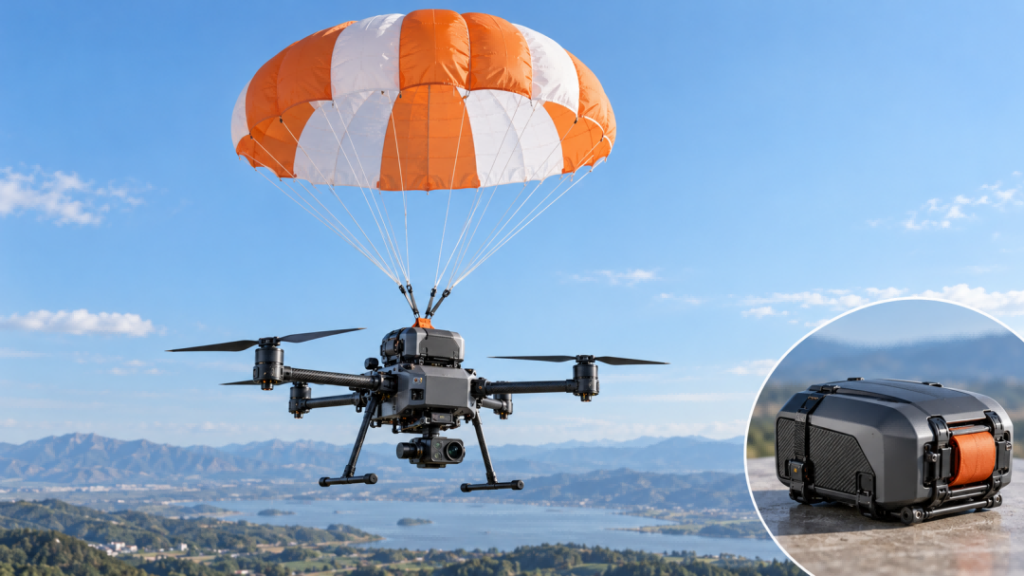
How China’s MH/T 6140—2026 Standard Is Reshaping Parachute System Design, Emergency Power Architecture, and Ground Risk Management for Industrial UAVs Introduction: Is a Parachute Becoming Essential for Industrial Drones? For years, installing a parachute on a drone was largely considered an additional safety precaution. Some UAV manufacturers offered parachute systems as optional accessories. Certain professional…
Category Archives: Unclassified

27
Oct
How Ultrasonic Welding, Laser Welding, and Mechanical Connections Influence Battery Performance, Safety, and Reliability Introduction: Battery Manufacturing Is Fundamentally About Reliable Electrical Connections When discussing lithium-ion battery performance, attention usually focuses on energy density, discharge rate, cycle life, and safety. However, another important factor is often overlooked: The quality of electrical connections throughout the battery…
Unclassified
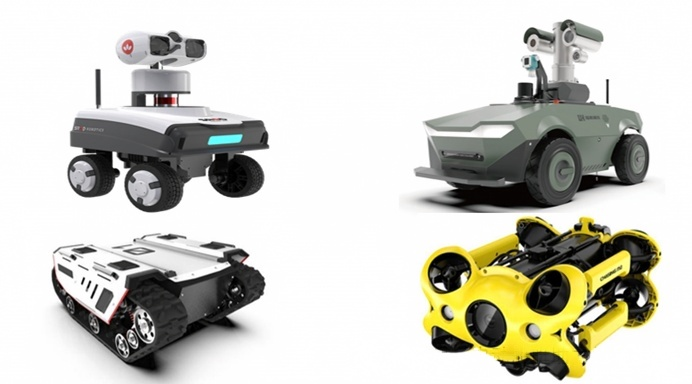
Hot-Swappable Battery Packs: How Dual-Battery Systems Enable Uninterrupted Power for Robots, AGVs, and Industrial UAVs
22
Oct
A Technical Guide to Ideal Diode Protection, Inrush Current Control, Smart BMS Coordination, and Safe Battery Replacement Introduction: Why Battery Replacement Should Not Mean Equipment Downtime As industrial automation moves toward continuous operation, battery replacement has become an increasingly important engineering challenge. Autonomous Mobile Robots (AMRs), Automated Guided Vehicles (AGVs), industrial robots, medical equipment, and…
Unclassified
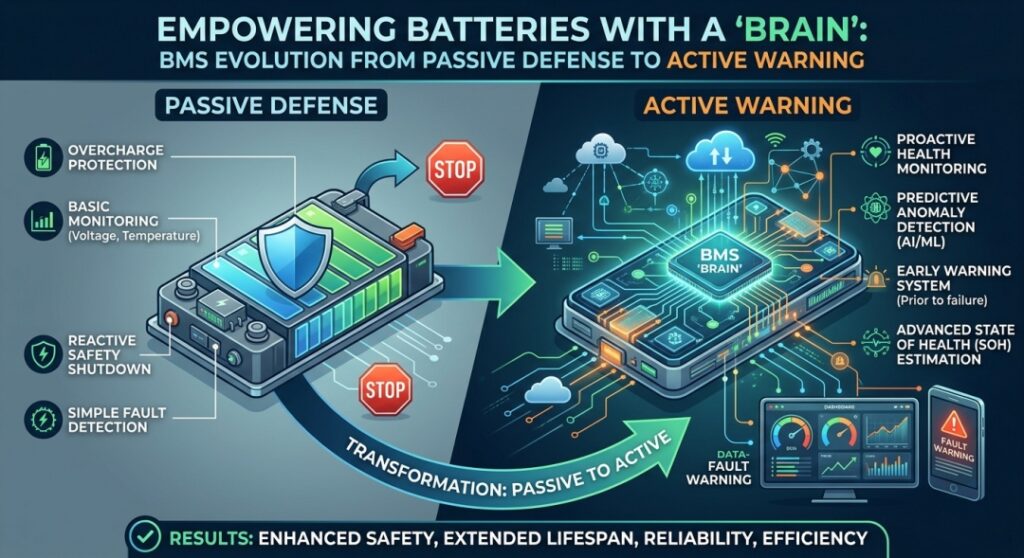
Smart BMS for UAV Pouch LiPo Batteries: How Active Safety Detects Risks Before Thermal Runaway
21
Oct
From cell-level voltage monitoring and thermal protection to early fault detection, AI diagnostics, and flight-controller integration Introduction: What Happens Before a Drone Battery Fails? Imagine an industrial drone battery developing a small internal defect. The battery may continue operating normally for days or weeks. During charging and discharging, however, subtle changes begin to appear. One…
Unclassified
Can Mechanical Pressure Extend Drone Battery Life? What New Cambridge Research Means for UAV Pouch LiPo Batteries

15
Oct
Why battery compression, cell swelling, vibration, and mechanical design deserve more attention in industrial UAV battery engineering When engineers discuss how to extend the lifespan of lithium-ion batteries, the conversation usually focuses on familiar factors: Battery chemistry Charge and discharge rates Depth of discharge Operating temperature Electrolyte formulation Battery management systems Charging strategies These factors…
Unclassified
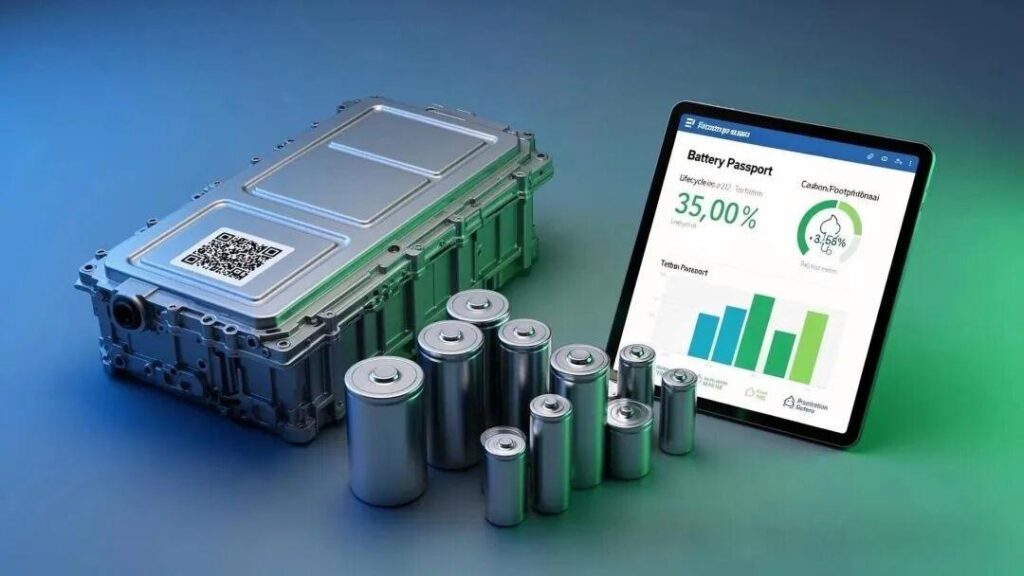
EU Battery Passport 2027: Which Companies Will Be Affected, and How Should Battery Exporters Prepare?
14
Oct
From UN38.3 and shipping documents to digital traceability, lifecycle data, and supply chain transparency For many years, lithium battery exporters have focused on a familiar set of documents: UN38.3 test reports Safety Data Sheets (SDS/MSDS) Dangerous goods declarations Transport packaging and labeling Product specifications and safety certifications These documents remain important. But for certain batteries…
Unclassified
Engineering Lithium-Metal Batteries Beyond 500 Wh/kg: From Materials Breakthroughs to Scalable Cell Design

12
Oct
A Technical Review of Anode Architectures, Electrolyte Engineering, Cathode Chemistry, Cell Formats, Manufacturing Challenges, and Commercialization Pathways Based on the 2026 review published in Energy Storage Materials Abstract Lithium-metal batteries (LMBs) are widely regarded as a promising route toward next-generation rechargeable batteries with cell-level specific energies exceeding 500 Wh/kg. Metallic lithium offers a theoretical specific…
Unclassified
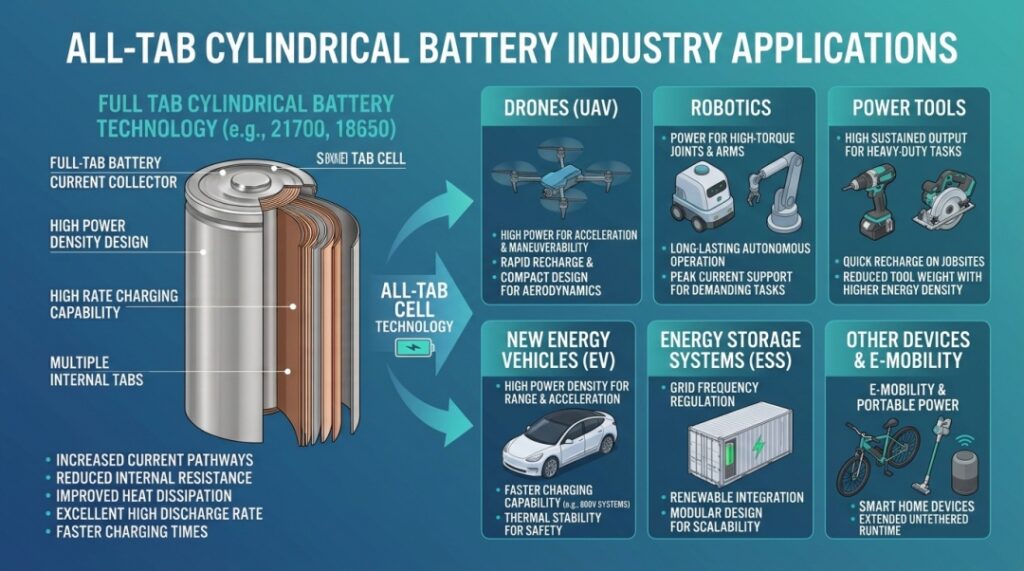
From Single-Tab to Full-Tab Batteries: How a New Current Path Is Transforming Cylindrical Lithium-Ion Cells
09
Oct
Why lower internal resistance, higher discharge power, faster charging, and better thermal management are reshaping the future of 18650 and 21700 batteries. What if one of the most important breakthroughs in cylindrical lithium-ion batteries has little to do with developing a new cathode or anode material? What if the real innovation is simply changing how…
Unclassified
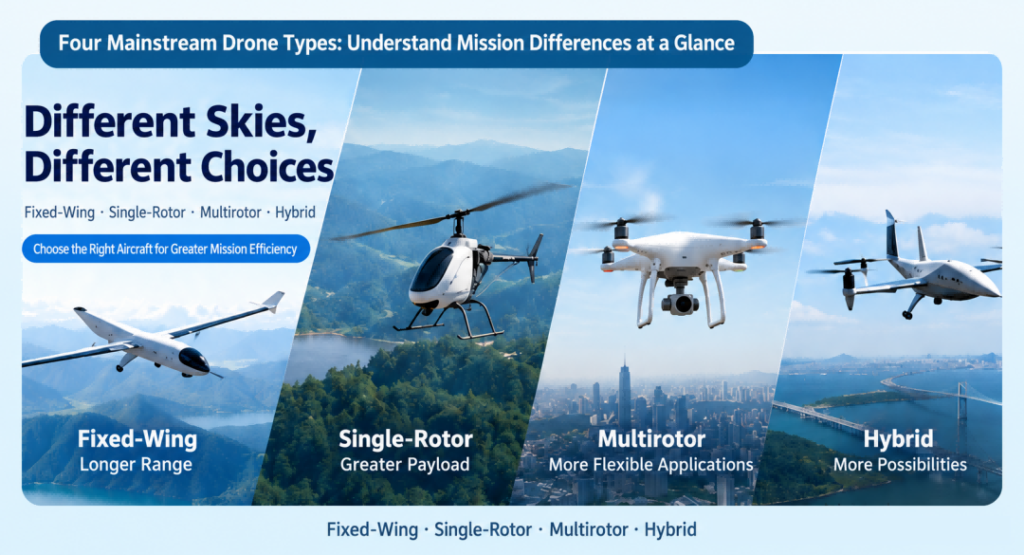
Fixed-Wing, Multirotor, Single-Rotor or VTOL? How to Choose the Right Drone Architecture for the Mission
28
Sep
When choosing an industrial drone, many people start by comparing three specifications: Flight time. Payload. Price. These numbers are important. But once a UAV enters a real project, one of the most expensive mistakes is often not choosing a drone with insufficient specifications. It is choosing an aircraft architecture that does not match the mission….
22
Sep
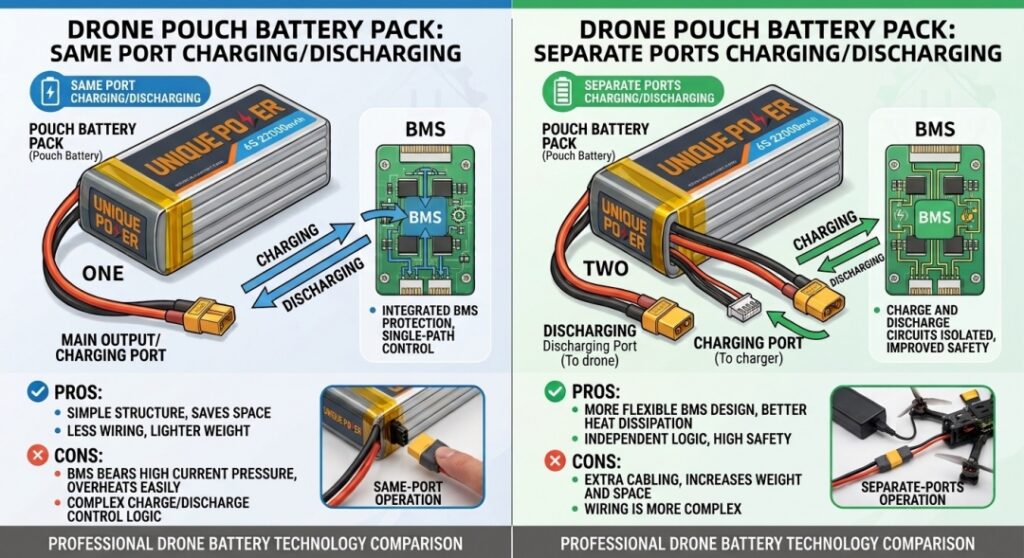
When designing a drone battery pack, engineers usually spend a lot of time discussing: Cell chemistry Energy density Discharge rate Capacity BMS communication Connector current rating Charging strategy But there is another architectural decision that deserves more attention: Should charging and discharging use the same port or separate ports? In battery-pack design, these are commonly…